Electric Vehicle Charging

Charge Your EV With the Sun

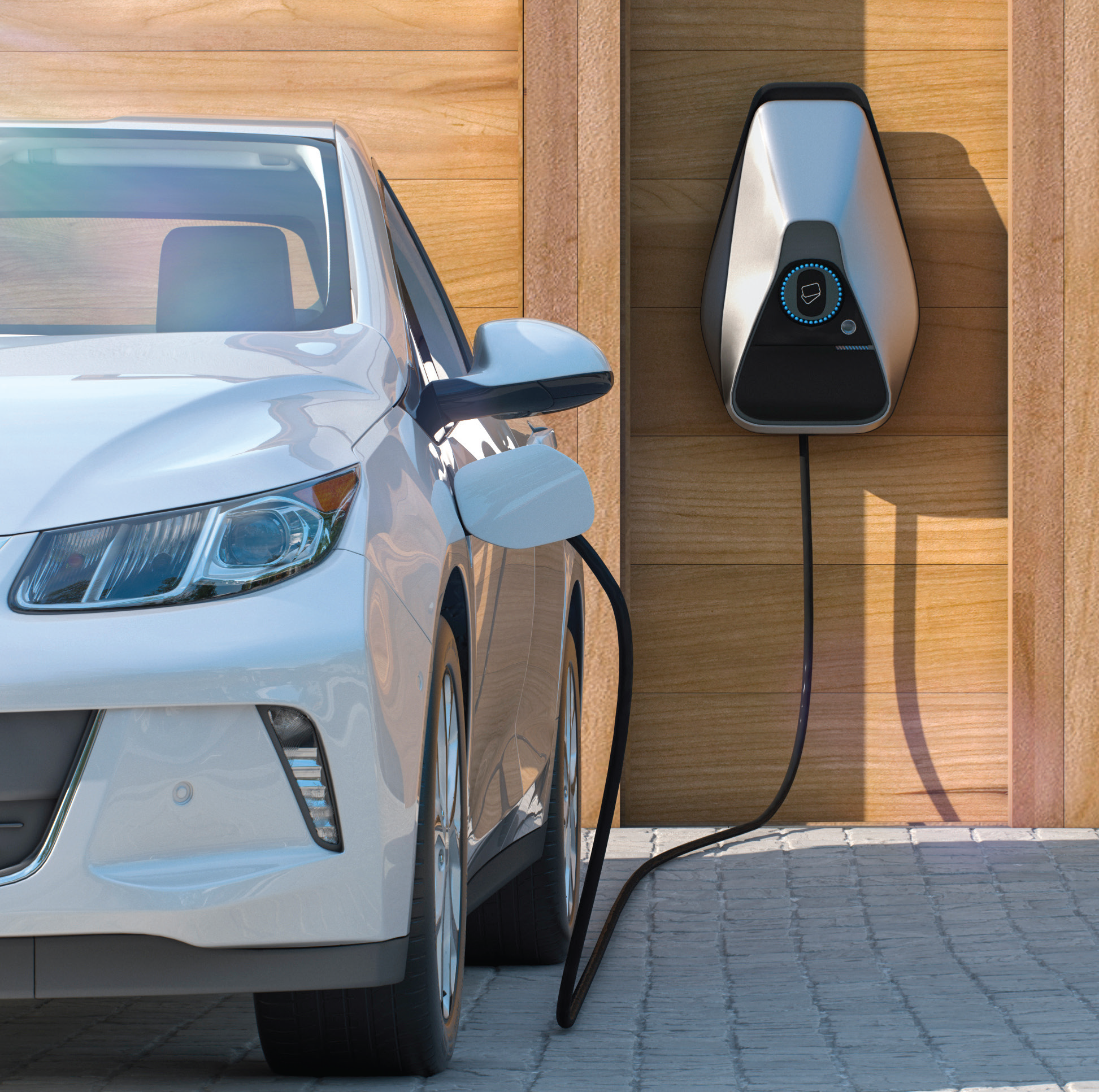
Pairing home solar with an EV charger lets you generate the electricity your car runs on. We've installed EV charging stations across the Madison, Waukesha, and Milwaukee areas since 2010 — with or without solar. See how many panels it would take to cover your own driving below.

5.0★ 200+ Google Reviews
Since 2002 Locally Owned in Madison
NABCEP-Certified Licensed Electricians on Staff
How We Install

Built for Your Home's Electrical System

1

Electrical Assessment

We confirm your electrical service can support a dedicated EV charging circuit.

2

Licensed Installation

Our own state-licensed electricians install a dedicated Level 2 station — no subcontractors.

3

Faster Charging

Recharges your battery in less than half the time of a standard wall outlet.

EV Solar Offset Calculator

See how many solar panels it would take to cover your electric vehicle's annual charging.

Enter a whole number > 0.
U.S. average: ~12,000 mi/yr
Steeper roofs facing east or west catch less sun — this helps us account for that
Enter a whole number > 0.
Default: 440W panel
N E S W

Click and drag the arrow around the dial until it matches the direction your roof faces. South-facing gets full sun, and we'll do the math for you.

Accounts for shading & trees
0
panels needed to offset your EV charging
0.00 kW
Added system size
0 kWh
Annual EV charging energy
0 kWh
Annual panel production
Calculator assumptions (editable)
Vehicle efficiency defaults are combined EPA ratings (fueleconomy.gov) for a representative current model-year vehicle in each category: Sedan — Tesla Model 3 Long Range AWD (26 kWh/100mi); Compact — Nissan LEAF (33 kWh/100mi); SUV — Tesla Model Y Performance AWD (32 kWh/100mi); Minivan — Volkswagen ID. Buzz AWD (42 kWh/100mi); Truck — Ford F-150 Lightning 4WD (49 kWh/100mi). Baseline peak sun hours (4.47/day) reflect the NREL-derived average solar resource for a latitude-tilt array in the Madison, WI service area; the Sun Exposure slider scales this down for roof-specific shading. System derate (0.86, i.e., 14% system losses) is the NREL PVWatts v8 default for inverter, wiring, soiling, and mismatch losses. Roof Orientation assumes due-south (180°) is full production (×1.0), scaling linearly down to a 15% reduction (×0.85) at due-east/due-west (90°/270°) for roofs under 35° pitch, or a 25% reduction (×0.75) at 90°/270° for roofs 35° or steeper — interpolated linearly in between. Changing vehicle type resets efficiency to that category's default; edit any field to model a specific vehicle or scenario.
Results are preliminary estimates for planning purposes only. Actual panel needs depend on roof space, orientation, shading, local weather, driving habits, charging efficiency, and final system engineering. Contact us for a full site assessment.
Why Install a Home EV Charger

Drive on Sunshine, Not the Grid

Charge Overnight, Not at a Station

A Level 2 home charger adds roughly 20–40 miles of range per hour — enough to refill most EVs overnight, with no public charger wait.

Pairs With Solar to Fix Your Costs

Add home solar alongside your charger and you generate your own electricity — locking in what it costs to power your drive for years to come.

Source: U.S. DOE Alternative Fuels Data Center (afdc.energy.gov).
What Customers Say

200+ Google Reviews, 5.0★ Average

Full Spectrum Solar's Chevy Bolt EV charging at the shop

Ready to Add EV Charging to Your Home?

Talk with our team about installing a home EV charging station — with or without solar. We'll also point you to any current Wisconsin Focus on Energy incentives you may qualify for.

Email Us